Free Hydrate On Orders $99+ USE CODE: HYDRATE

Free Hydrate On Orders $99+ USE CODE: HYDRATE
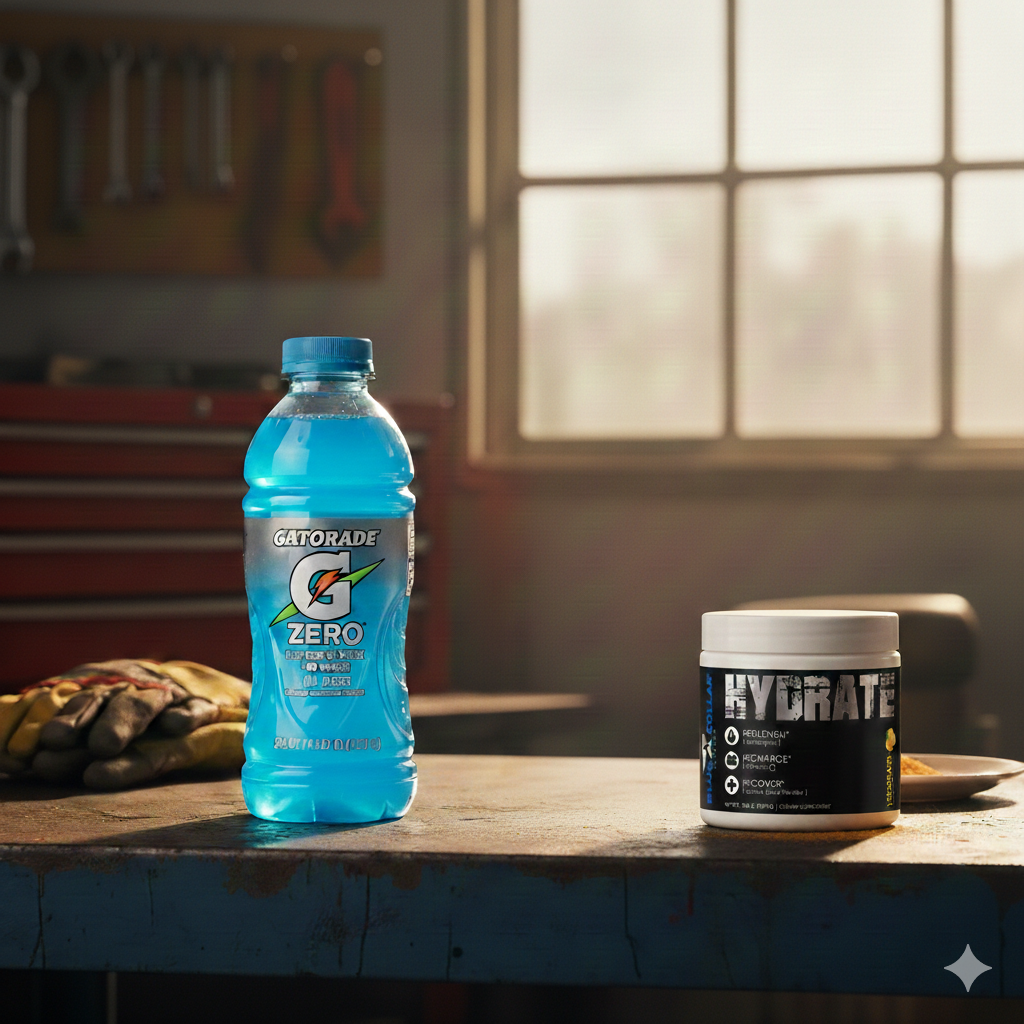

Is Gatorade Zero Good for You? A Hard Worker's Guide to Ingredients, Electrolytes, and What's Actually Inside
July 11, 2024 10 min read
Gatorade Zero looks like the responsible upgrade. Same flavor, zero sugar, no calories. For hard workers trying to stay hydrated without the sugar load, it seems like the obvious move.
But "zero sugar" isn't the same as "good for you." And when you actually read what's in the bottle — and what's missing — Gatorade Zero starts looking less like an upgrade and more like a downgrade with better marketing.
This is the honest breakdown of Gatorade Zero, where it works for hard workers, where it falls short, and what to drink instead when you need real hydration across long, hot, physical shifts.
What's Actually in Gatorade Zero?
A 12 oz serving of Gatorade Zero contains roughly:
- 270mg sodium
- 75mg potassium
- 0g sugar
- 5 calories
Full ingredient list: water, citric acid, sodium citrate, salt, modified food starch, natural flavor, artificial flavor, sucralose, acesulfame potassium (Ace-K), and artificial dyes (Red 40, Blue 1, Yellow 5, Yellow 6 depending on the flavor).
That's the label. Two electrolytes, two artificial sweeteners, and artificial dyes by color.
Compared to regular Gatorade, you're trading 34g of sugar per 20 oz bottle for sucralose and Ace-K. Compared to plain water, you're getting some sodium and potassium. Compared to a real electrolyte product built for physical work, you're missing what hard workers actually lose.
Gatorade Zero Nutrition Facts (Per 12 oz Serving)
| Nutrient | Amount |
|---|---|
| Calories | 5 |
| Total carbohydrates | 1g |
| Sugars | 0g |
| Sodium | 270mg (12% DV) |
| Potassium | 75mg (2% DV) |
| Magnesium | 0mg |
| Calcium | 0mg |
| Vitamin C | 0mg |
| B vitamins | 0mg |
A 20 oz bottle scales those numbers up by about 1.7x. Most of the bottle is water, citric acid, and flavoring — the actual electrolyte payload is small.
Does Gatorade Zero Have Electrolytes?
Yes, but only two of the four major ones — sodium and potassium.
It does not contain:
- Magnesium (the cramp electrolyte)
- Calcium (sustained muscle contraction)
- Vitamin C, B vitamins, or any supporting nutrients
Sweat contains all four major electrolytes — sodium, potassium, magnesium, calcium — plus traces of zinc and other minerals. A drink that replaces only two of the four is doing half the job.
For comparison: a typical hard worker losing significant fluid in hot conditions can lose 1,000–2,000mg of sodium per hour, 200–400mg of potassium per hour, and 20–50mg of magnesium per hour, plus calcium and trace minerals. Gatorade Zero's 270mg sodium per serving covers maybe 15 minutes of heavy-sweat work, and nothing on magnesium.
Gatorade Zero Sweeteners and Dyes: What You're Drinking
Gatorade Zero replaces sugar with two artificial sweeteners:
- Sucralose — sold under the Splenda brand. FDA-approved. Some users report digestive discomfort with daily high-volume use.
- Acesulfame potassium (Ace-K) — FDA-approved. Often combined with sucralose to balance aftertaste.
For artificial colors, the flavor determines the dye:
- Glacier Cherry — Red 40
- Lemon Lime — Yellow 5, Yellow 6
- Berry — Red 40, Blue 1
- Fruit Punch — Red 40
- Grape — Red 40, Blue 1
All FDA-approved at current usage levels. But for a daily-use product where a hard worker is drinking 3-4 bottles a shift, that's a real volume of artificial sweetener and artificial dye stacking up week over week. A growing number of workers prefer to avoid both — and the market for clean electrolyte products has grown around exactly that preference.
Is Gatorade Zero Bad for You?
The honest answer: it's not "bad," but it's not built for what most hard workers are using it for.
For casual hydration on a normal day, Gatorade Zero is fine. It's a step up from regular Gatorade — no sugar spike — and a step up from plain water — at least some electrolytes. For someone doing light activity, sipping at a desk, or recovering from a short gym session, it gets the job done.
For hard workers running 8-12 hour physical shifts, Gatorade Zero falls short on three fronts:
- Missing magnesium. Magnesium is the electrolyte most directly tied to muscle relaxation. Without it, cramps stay in the picture no matter how much Gatorade Zero you drink.
- Missing calcium. Calcium works alongside magnesium for sustained muscle function. Gatorade Zero has neither.
- Sweetener and dye load. Three or four bottles a day means a meaningful daily intake of sucralose, Ace-K, and artificial dyes.
It's not toxic. It's just not the right tool for the job when the job is sweating for 10 hours straight.
Hydrate vs Gatorade Zero: Head-to-Head Comparison
| Spec | BCN Hydrate (per scoop) | Gatorade Zero (per 12 oz) |
|---|---|---|
| Sodium | 500mg (Pink Himalayan Salt blend) | 270mg |
| Potassium | 340mg | 75mg |
| Magnesium | 40mg | 0mg |
| Calcium | 50mg | 0mg |
| Vitamin C | 95mg (105% DV) | 0mg |
| Vitamin B6 | 1.7mg (100% DV) | 0mg |
| Sugar | 0g | 0g |
| Sweeteners | Stevia + Monk Fruit (natural) | Sucralose + Ace-K (artificial) |
| Artificial dyes | None | Yes (varies by flavor) |
| Flavor source | 1,000mg real fruit powder | Natural + artificial flavor |
| Calories | 10 | 5 |
| Servings | 40 per jar | 1 per bottle |
| Cost per serving | ~$1.00 | ~$1.50–2.00 |
| Drug-test safe | Yes (third-party tested) | Yes |
| Built for | 12-hour shifts, hot work, daily use | Casual hydration, gym sessions |
Per serving, Hydrate delivers nearly 2x the sodium, 4.5x the potassium, the magnesium and calcium Gatorade Zero doesn't include, and Vitamin C and B6 on top — for less money per serving than the gas station option.
When Gatorade Zero Is Fine
To be fair: Gatorade Zero isn't useless. It works fine for:
- Casual hydration on a normal day
- Light gym workouts under an hour
- Sipping in front of the TV
- Anytime you'd otherwise drink plain water and want flavor
For those use cases, the lower sodium and missing magnesium don't matter much because you're not sweating heavily.
The point isn't that Gatorade Zero is bad. The point is that it's built for casual use, and most hard workers are using it for the opposite — long shifts in heat where the math doesn't work.
When Hard Workers Need More Than Gatorade Zero
If any of these apply to you, Gatorade Zero is the wrong tool for the job:
- 8+ hour physical shifts on your feet
- Outdoor work in heat (oilfield, roofing, framing, asphalt, landscaping)
- Indoor industrial work near heat sources (welding, foundry, kitchens, manufacturing)
- Long-haul driving in a hot cab
- Back-to-back work days with no real rest
- Visible salt rings on your hat or shirt after a shift
- Cramps at night or late in the shift
- Brain fog by mid-afternoon
- Headaches from drinking too much plain water without minerals
Those are signals you're losing more electrolytes than Gatorade Zero (or any sports drink built for casual use) can replace. You need a real electrolyte product with the full mineral profile.
Hydrate was built specifically for this — 500mg sodium from Pink Himalayan Salt, 340mg potassium, 40mg magnesium, and 50mg calcium per scoop. The full electrolyte profile, dosed for hard workers, with real fruit powder and natural sweeteners instead of sucralose and artificial dyes.
Healthy Alternatives to Gatorade Zero
The market is full of "healthier" sports drinks. Most still miss the mark for hard workers. Here's what to look for:
- Real electrolyte doses, not token amounts. Sodium under 300mg per serving is a casual-use number, not a hard-work number.
- Magnesium included. Sodium and potassium alone aren't enough.
- Natural sweeteners. Stevia or monk fruit, not sucralose or Ace-K.
- No artificial dyes. Real fruit powder or natural colorants only.
- Sugar-free or minimal sugar. Big-bottle sports drinks pack 30-40g per serving — that's not hydration, that's soda with electrolytes.
Hydrate hits all five criteria. So do a small handful of other clean electrolyte products. The category has grown around exactly this gap.
Switching From Gatorade Zero to Hydrate
Most hard workers running on Gatorade Zero already know it's not quite cutting it. The cramps, the salt rings, the afternoon dead zone — those signals are loud enough.
The switch is straightforward:
- Replace 2-3 bottles of Gatorade Zero per shift with 2-3 scoops of Hydrate in a 16-20 oz water bottle each. Same flavor satisfaction, much better electrolyte profile.
- Keep plain water in between for fluid volume. Hydrate is for electrolyte replacement, not the only fluid you drink.
- Track how you feel by the end of week 1. Most workers notice the difference in cramping and afternoon focus within 5-7 days.
For post-shift muscle support on top of hydration, pair Hydrate with After Work Recovery — BCAAs plus glutamine and B6 to support muscle repair overnight. For the full post-shift recovery routine, see how to recover faster after work.
If you also need energy support mid-shift, Refuel pairs energy with electrolytes — built to bridge the afternoon dead zone without sugar. Or check the full Recovery collection for the lineup built for hard workers.
For the full daily hydration protocol — when to drink, how much for your conditions, and the warning signs that you're falling behind — see the Blue Collar Hydration Guide.
Frequently Asked Questions
Is Gatorade Zero actually good for you?
Gatorade Zero is fine for casual hydration and light activity — it's a reasonable upgrade from regular Gatorade if you're avoiding sugar. For hard workers running long physical shifts, it falls short because it's missing magnesium and calcium (two of the four electrolytes you lose in sweat), uses artificial sweeteners (sucralose and Ace-K), and contains artificial dyes depending on the flavor. It's not harmful in normal amounts; it's just not built for sustained physical work.
What's actually in Gatorade Zero?
A 12 oz serving contains roughly 270mg sodium, 75mg potassium, 0g sugar, and 5 calories. The ingredient list: water, citric acid, sodium citrate, salt, modified food starch, natural and artificial flavor, sucralose, acesulfame potassium, and artificial colors (Red 40, Blue 1, Yellow 5, Yellow 6 depending on flavor). It contains no magnesium, no calcium, and no vitamins.
Does Gatorade Zero have electrolytes?
Yes, but only two — sodium and potassium. Gatorade Zero does not contain magnesium, calcium, or any vitamins. Hard workers losing significant sweat lose all four major electrolytes plus trace minerals, so a sodium-and-potassium-only product covers about half of what's actually being lost.
Does Gatorade Zero have magnesium?
No. Gatorade Zero contains sodium and potassium but no magnesium, calcium, or vitamins. Magnesium is the electrolyte most directly tied to muscle relaxation and cramp support, which is why workers running on Gatorade Zero often still cramp despite heavy fluid intake.
How much sodium is in Gatorade Zero?
A 12 oz serving of Gatorade Zero contains 270mg of sodium. A 20 oz bottle contains roughly 460mg. For comparison, hard workers in heavy-sweat conditions can lose 1,000-2,000mg of sodium per hour, so a 12 oz serving covers about 15-20 minutes of heavy-sweat work on the sodium side.
How much potassium is in Gatorade Zero?
A 12 oz serving of Gatorade Zero contains 75mg of potassium (about 2% of daily value). A 20 oz bottle contains roughly 130mg. Sweat potassium losses in physical work can run 200-400mg per hour, so Gatorade Zero replaces a small fraction of what's typically lost.
Does Gatorade Zero have sucralose?
Yes. Gatorade Zero uses two artificial sweeteners — sucralose (sold under the Splenda brand) and acesulfame potassium (Ace-K). Both are FDA-approved. Some users report digestive discomfort with daily high-volume use.
Is there aspartame in Gatorade or Gatorade Zero?
No. Gatorade Zero uses sucralose and acesulfame potassium (Ace-K), not aspartame. Regular Gatorade uses sugar (sucrose) and dextrose, no artificial sweeteners.
Is there a Gatorade without Red 40?
Yes, but only in certain flavors. Lemon Lime Gatorade Zero typically uses Yellow 5 and Yellow 6 instead of Red 40. Flavors like Glacier Cherry, Fruit Punch, and Berry contain Red 40. If you're trying to avoid all artificial dyes, an electrolyte powder using real fruit powder is the cleaner option — for example, Hydrate uses 1,000mg of real lemon juice powder in Lemonade and real strawberry powder in Strawberry, no artificial dyes.
Is Gatorade Zero bad for your kidneys?
For healthy adults consuming Gatorade Zero in moderate amounts, there's no specific kidney concern. People with existing kidney conditions should consult their doctor before consuming any sodium-containing beverage. The sodium load in Gatorade Zero (270mg per 12 oz) is modest compared to many processed foods, but high-volume daily intake from any source can affect people with kidney issues.
Is Gatorade Zero bad for your liver?
There's no evidence Gatorade Zero is harmful to a healthy liver in normal use. Artificial sweeteners like sucralose and Ace-K are processed in the kidneys, not the liver. People with existing liver conditions should consult their doctor about any specific dietary concerns.
Is too much Gatorade Zero bad for you?
High-volume daily consumption (4+ bottles per day) means a substantial intake of artificial sweeteners (sucralose, Ace-K), artificial dyes, and sodium. None of these are toxic at typical usage levels, but stacking 4+ servings daily for months represents real exposure that some workers prefer to avoid. The bigger issue for hard workers is that Gatorade Zero still doesn't replace the magnesium and calcium being lost in sweat — so volume doesn't solve the underlying gap.
Gatorade Zero vs regular Gatorade — which is better?
Regular Gatorade contains around 34g of sugar per 20 oz bottle. Gatorade Zero has 0g. For most use cases, Gatorade Zero is the better choice because you avoid the sugar spike and crash. The trade-off is artificial sweeteners replacing the sugar. The electrolyte content is similar between the two. Both contain artificial dyes.
Gatorade Zero vs water — which is better for hard workers?
Gatorade Zero is better than water alone for hard workers because it provides some sodium and potassium for fluid absorption. Plain water can actually leave you sloshy and under-absorbed during heavy-sweat work. But Gatorade Zero alone still isn't enough for the full electrolyte profile lost in sweat. Water plus a complete electrolyte powder is the better setup.
What's a healthy alternative to Gatorade Zero?
A healthy alternative covers four things Gatorade Zero misses: magnesium and calcium in real doses, natural sweeteners (stevia, monk fruit) instead of sucralose and Ace-K, real fruit powder instead of artificial dyes, and an accurate sweat-replacement sodium dose. Hydrate hits all four — 500mg sodium, 340mg potassium, 40mg magnesium, 50mg calcium per scoop, with natural sweeteners and real fruit powder.
Is Gatorade Zero keto-friendly?
Mostly. Gatorade Zero has 0g sugar and 5 calories per 12 oz, which fits within most ketogenic diet protocols. The carbohydrates from modified food starch are minimal. For strict keto users avoiding all artificial sweeteners, stevia-sweetened alternatives are often preferred.
Does Gatorade Zero cause cramping?
Gatorade Zero doesn't cause cramping directly, but it can fail to support cramp prevention. Cramping during or after physical work is most often tied to losing magnesium, which Gatorade Zero doesn't contain. Workers depending on Gatorade Zero as their primary electrolyte source often still cramp because the magnesium piece isn't covered.
Is Hydrate worth the price compared to Gatorade Zero?
Hydrate runs around $1 per serving ($39.95 for 40 servings). A 20 oz bottle of Gatorade Zero typically runs $1.50-2.00 at retail. So per serving, Hydrate is cheaper. Beyond price, you're getting nearly 2x the sodium, 4.5x the potassium, the magnesium and calcium Gatorade Zero doesn't include, plus Vitamin C and B6, real fruit powder, and natural sweeteners.
Are BCN supplements drug-test safe?
Yes. All Blue Collar Nutrition products, including Hydrate, are hormone-free, contain no banned substances or amphetamines, and are third-party tested in an FDA-registered facility in the USA. Hydrate is safe for any drug-tested job — trades, construction, oilfield, military, transportation.