Free Hydrate On Orders $99+ USE CODE: HYDRATE

Free Hydrate On Orders $99+ USE CODE: HYDRATE

Tritan vs Plastic vs Stainless Steel: Which Water Bottle Is Actually Safe?
April 30, 2026 5 min read
Tritan vs Plastic vs Stainless Steel: Which Water Bottle Is Actually Safe?
If you reuse the same water bottle every day at work, the material matters more than the brand. Cheap plastic leaches chemicals. Some stainless steel bottles cost more than a tank of gas. And tritan — the clear, BPA-free plastic showing up in everything from baby bottles to job-site bottles — sits somewhere in the middle.
This is the honest breakdown of how tritan plastic compares to regular plastic and stainless steel, what each material is actually good for, and which one makes sense for daily use on a real job.
What Is Tritan Plastic?
Tritan is a copolyester plastic made by Eastman Chemical Company. It was specifically engineered as a replacement for polycarbonate — the older hard plastic that used to contain BPA. Unlike the thin PET in disposable bottles, tritan is built for thousands of reuses. It stays clear, doesn't crack at the threads, and doesn't taste like plastic after a year in your truck.
Tritan is FDA-approved for food contact and free from BPA, BPS, and BPF — the bisphenol compounds linked to hormone disruption that got pulled from baby bottles and food containers over a decade ago.
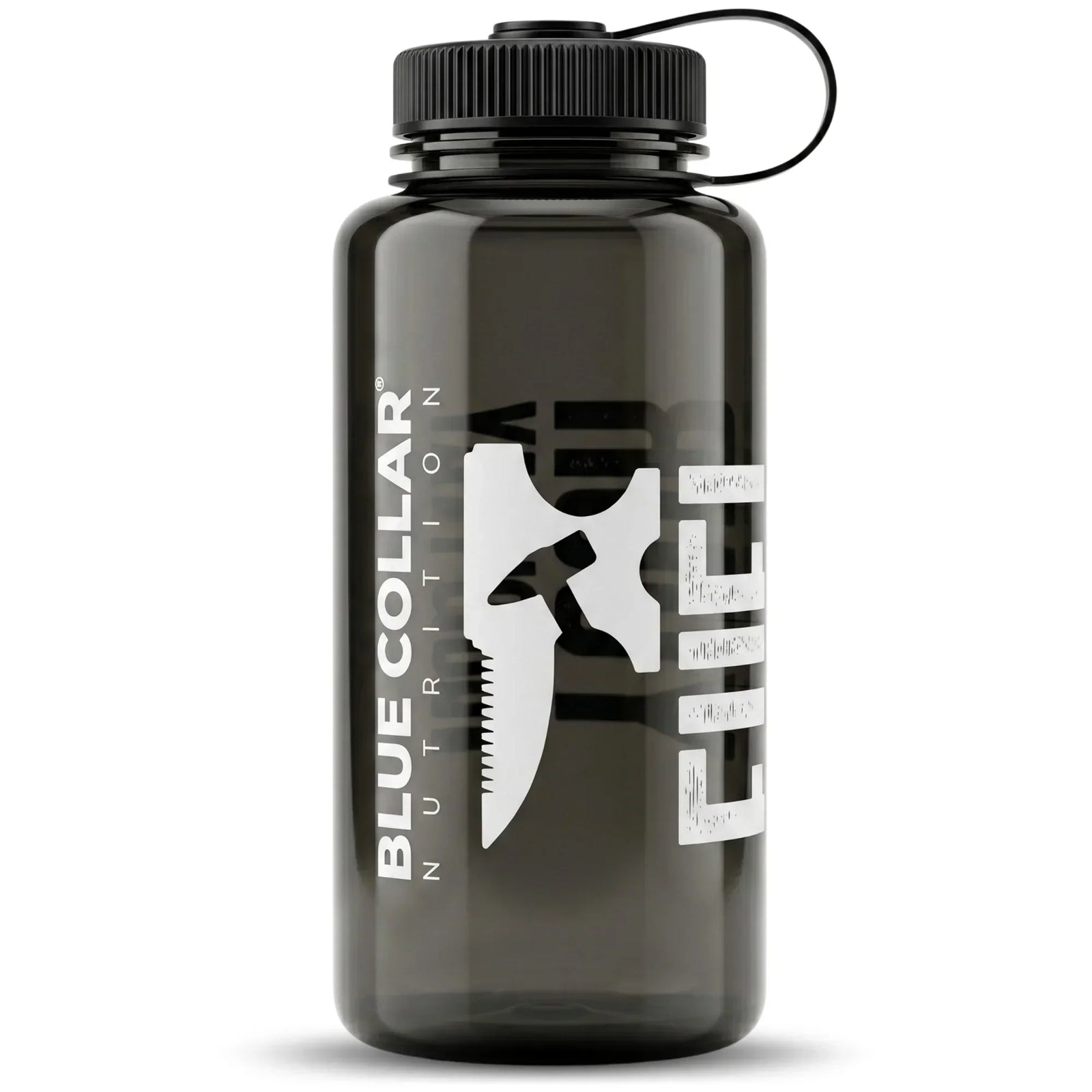
If you're shopping for a daily-use bottle, BCN's tritan water bottle is what most of our customers end up with — wide mouth, 32 oz, dishwasher safe, BPA free. But before you buy, here's how it stacks up against the alternatives.
Tritan vs Plastic: What's the Difference?
When people say "plastic water bottle," they usually mean one of two very different things: a disposable PET bottle from a gas station, or a reusable hard plastic bottle like tritan.
The disposable PET bottle — what bottled water comes in — is designed for one use. The plastic is thin and degrades quickly. Reuse it long enough and the bottle starts breaking down, leaching microplastics into your water, and tasting off. PET is not designed to be washed in a dishwasher or refilled hundreds of times.
A tritan plastic water bottle is built for the opposite job. The plastic is thick, impact-resistant, and engineered to survive thousands of dishwasher cycles without clouding, cracking, or weakening at the threads. It's also BPA, BPS, and BPF free — meaning you're not drinking out of something linked to hormone disruption.
The short version: every "plastic" bottle is not the same. PET is for one-time use. Tritan is for daily, year-after-year use.
Tritan vs Stainless Steel: Which Is Better?
This is the comparison that actually matters for most workers, because both are legitimate options for a daily bottle.
Stainless steel insulated bottles — Hydro Flask, Yeti, Stanley — are double-walled, vacuum-sealed, and keep drinks cold for 12 to 24 hours. They're heavier, more expensive ($35-$50 for a 32 oz on average), and opaque, so you can't see how much water is left without opening the lid. They also dent when dropped on concrete.
A tritan water bottle costs a third of that price, weighs significantly less, and is clear — you can glance at it and know if you need a refill. It won't keep ice frozen for a full shift, but ice will last 2-4 hours in a tritan bottle stored out of direct sun. Tritan is also virtually indestructible. Drop it off a ladder, kick it under a truck seat, throw it in the dishwasher every weekend — it doesn't care.
Which is better depends on what you actually need:
- Pick stainless steel if you need ice-cold water for an entire 12-hour shift, you work in extreme heat where insulation matters, or you don't mind the extra weight and cost.
- Pick tritan if you refill from a cooler or tap throughout the day, you want something lightweight, you've broken a stainless bottle before, or you want a bottle cheap enough to own two.
A lot of guys end up owning both — stainless for hot days, tritan for everything else.
Is Tritan Plastic Safe to Drink From?
Yes. Tritan is FDA-approved for food contact. Independent testing has not shown the estrogenic activity that older plastics like polycarbonate were flagged for. It's free of BPA, BPS, BPF, and phthalates.
That said, no plastic is "perfect." If you want to be cautious: don't put boiling water in it, don't leave it baking in a hot truck cab for hours on end, and replace it when the lid gasket wears out. Treat it like a tool that has a job, not a forever bottle.
Is Tritan Plastic Dishwasher Safe?
Yes. Tritan was engineered to survive repeat dishwasher cycles without clouding, warping, or weakening at the threads. Top rack is recommended for the lid; the bottle itself can go on either rack.
For comparison: cheap PET bottles will warp or crack in the dishwasher after a few cycles. Tritan is what you use when you actually plan to clean the bottle.
Can Tritan Plastic Hold Hot Water?
Tritan handles warm liquids, but the manufacturer recommends keeping contents below about 200°F. That means warm coffee or tea (cooled a few minutes after pouring) is fine. Water straight off a boil is not. For boiling hot liquids, stainless steel is the right tool.
Tritan vs Glass: Quick Note
Glass is the most chemically inert option — nothing leaches, nothing degrades. But glass breaks. On a construction site, in a truck cab, dropped on a concrete floor — glass is the wrong tool for the job. Glass makes sense at a desk or in a kitchen, not in a tool bag.
Which Should You Buy?
If you want a single, honest recommendation for daily work use: a 32 oz wide-mouth tritan water bottle covers most needs. It's cheap enough to own two, light enough to forget about, durable enough to survive the worst day on a job site, and safe enough that you don't have to think about what it's leaching into your water.
That's why BCN sells the Wide Mouth 32 oz Tritan Water Bottle as part of our gear lineup — wide mouth fits standard supplement scoops, dishwasher safe, dual oz/ml markings for hydration tracking, BPA free. It pairs with Before Work Fuel in the morning and Hydrate through the day.
Frequently Asked Questions
What is a tritan water bottle?
A tritan water bottle is made from Eastman Tritan copolyester — a clear, BPA-free plastic engineered for repeat reuse. Tritan is FDA-approved for food contact and doesn't contain the bisphenol compounds (BPA, BPS, BPF) linked to hormone disruption.
Is tritan plastic safe to drink from?
Yes. Tritan is FDA-approved for food contact, and independent testing has not shown estrogenic activity. It's one of the safest reusable plastic materials currently available.
Is tritan plastic dishwasher safe?
Yes. Tritan handles repeat dishwasher cycles without clouding or warping. Top rack is recommended for the lid; the bottle can go on either rack.
Is tritan BPA free?
Yes. Tritan is BPA, BPS, and BPF free. Eastman engineered it specifically as a replacement for polycarbonate, the older plastic that used to contain BPA.
Can tritan plastic hold boiling water?
No. Keep contents below about 200°F. Warm coffee or tea (cooled a few minutes) is fine. Boiling water is not.
Does tritan plastic leach microplastics?
Tritan is significantly more stable than thin PET disposables. It's engineered to resist degradation from repeat use, washing, and temperature changes — meaning microplastic leaching is far lower than with cheap reusable plastics. No plastic is zero-leach, but tritan is among the most stable reusable options on the market.
How long does a tritan water bottle last?
With normal daily use, several years. The lid gasket usually wears out before the bottle itself.
Where can I buy a tritan water bottle?
BCN's 32 oz Wide Mouth Tritan Water Bottle is built for daily work use — BPA free, dishwasher safe, wide mouth, with dual oz/ml markings.