
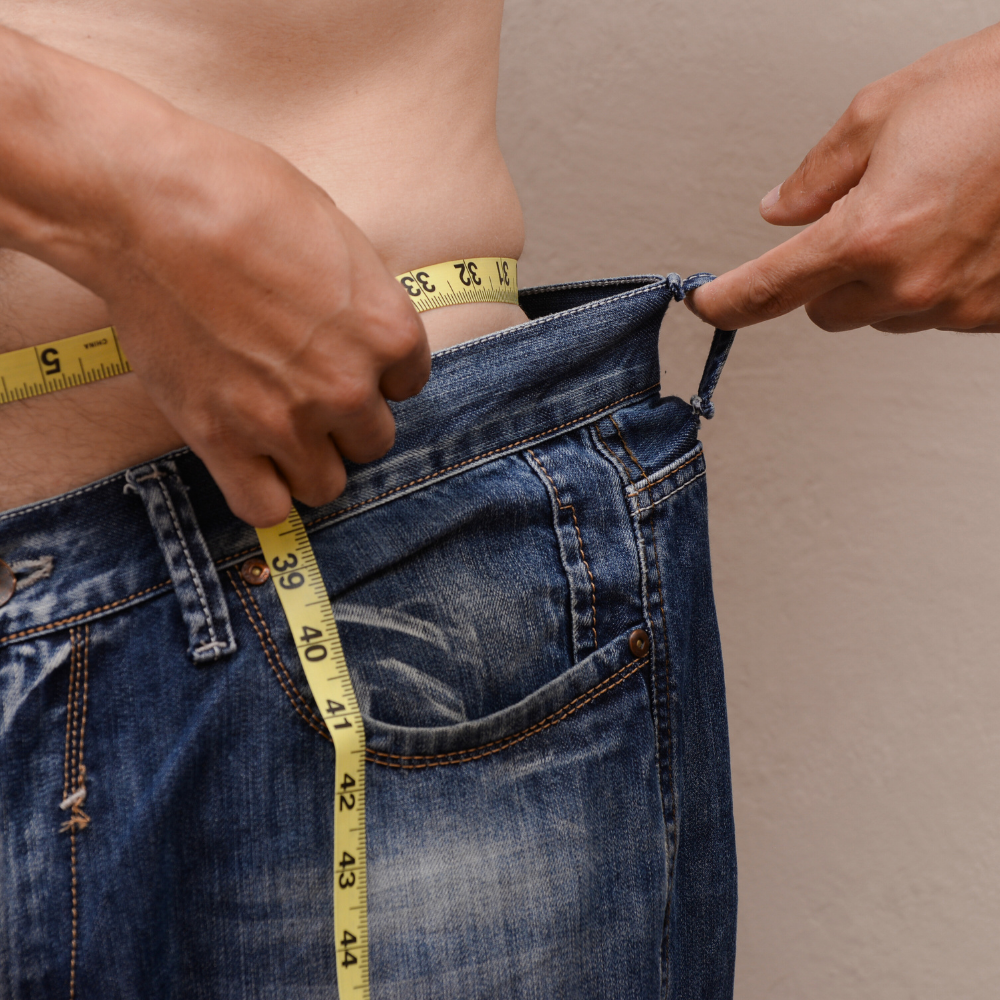

How to Lose 30 lbs in 3 Months: A Safe, Realistic Plan
Yes, losing 30 pounds in 3 months is possible for most healthy adults — but it sits at the aggressive end of what's safe. The math works out to about 2.3 pounds per week and a daily calorie deficit of around 1,167. The CDC recommends 1 to 2 pounds per week as the sustainable pace, so this plan lives just above that ceiling. People starting at higher body weights generally tolerate it best.
This guide gives you the actual math, the named methods that work, and the daily habits that move the needle. No fluff, no willpower lectures.
Is It Safe to Lose 30 Pounds in 3 Months?
For most healthy adults with weight to lose, yes — with caveats. The faster you cut, the more important three things become: protein intake (to protect muscle), sleep (to manage hunger hormones), and a sensible deficit ramp (to avoid crashing in week three).
If you're already at a healthy weight, have a chronic condition, are on medication, or are pregnant or nursing, talk to your doctor before starting. The plan below works for the average healthy adult who has 30+ pounds to lose and is willing to be consistent for 12 weeks.
The Math: What 30 Pounds in 3 Months Actually Requires
One pound of body fat equals roughly 3,500 calories. Thirty pounds equals about 105,000 calories. Spread across 90 days, that's a daily deficit of around 1,167 calories.
That number tells you three things:
- Diet alone usually can't get you there without serious hunger and metabolic pushback
- Exercise alone definitely can't get you there
- The realistic path is a combination: eat less, move more, sleep enough, and protect lean muscle
Most people aiming for this pace land somewhere around a 700 to 900 calorie daily deficit through diet, with the remaining 200 to 400 coming from added activity. The exact split depends on your starting weight, age, and activity level. For a more detailed breakdown, see our guide on the calorie deficit needed to lose 30 pounds in 3 months.
How Many Pounds Per Week Is That?
About 2.3 pounds per week, or roughly half a pound every other day. The first week is usually higher because of water weight loss, then the rate settles. If you're losing more than 3 pounds per week consistently after week two, you're likely cutting too hard and risk losing muscle.
Named Methods Worth Following
Generic weight loss advice doesn't work because it isn't a plan. The methods below come from people who've put their names on them, refined them over years, and built large followings of people who've actually used them.
The Slow-Carb Diet (Tim Ferriss)
Tim Ferriss popularized the Slow-Carb Diet in his book The 4-Hour Body. It's one of the most-followed structured weight loss approaches of the last 15 years, and it works because it's simple enough to actually stick to.
The five rules:
- Avoid white carbs (bread, rice, pasta, potatoes, anything from flour or sugar)
- Eat the same few meals over and over
- Don't drink calories
- Don't eat fruit (with a few exceptions)
- Take one cheat day per week
Meals are built from three categories: a protein, a legume (lentils, black beans, pinto beans), and vegetables. That's it. Most people on this protocol report 1 to 2 pounds of fat loss per week without counting calories. The cheat day exists for a reason — it spikes calories, prevents metabolic slowdown, and makes the rest of the week easier to follow.
The 30/30/30 Method (Gary Brecka)
Gary Brecka, a human biologist who works with high-performance athletes and executives, popularized the 30/30/30 method on his podcast and social media. The protocol is straightforward:
- 30 grams of protein within 30 minutes of waking up
- 30 minutes of low-intensity movement immediately after
The idea is that morning protein blunts cortisol, stabilizes blood sugar, and curbs cravings later in the day. The low-intensity movement (walking, easy cycling, light yard work) burns fat as fuel rather than glycogen and primes your metabolism without triggering the hunger response that hard cardio causes.
A version of this protein-timing concept appeared earlier in Tim Ferriss's work. Brecka's contribution was packaging it into a memorable 30/30/30 format that stuck.
Protein Targets That Actually Matter
Both Ferriss and Brecka emphasize protein. The reason is simple: protein protects lean muscle during a calorie deficit. If you lose 30 pounds and 10 of them are muscle, you'll look softer, weaker, and your metabolism will be lower than when you started.
The general target most experts agree on for people in a fat-loss phase is 0.7 to 1 gram of protein per pound of goal body weight per day. For a 200-pound person aiming to reach 170, that's roughly 120 to 170 grams of protein daily.
Most people fail this without trying. Hitting it consistently usually requires a protein shake or two, which is where a quality whey protein becomes practical, not optional.
The Daily Habits That Move the Needle
The methods above give you structure. The habits below are what make them work.
Walk More Than You Think You Should
Walking is the most underrated weight loss tool that exists. It burns fat, doesn't trigger hunger the way intense cardio does, and you can do it after a long workday without dreading it. Aim for 8,000 to 12,000 steps per day. Two 20-minute walks (one after lunch, one after dinner) usually closes most of the gap.
Sleep Seven to Nine Hours
Sleep deprivation raises ghrelin (the hunger hormone), lowers leptin (the fullness hormone), and increases cortisol. The result is more cravings, more belly fat storage, and slower recovery from workouts. There is no supplement or strategy that overcomes chronic five-hour nights.
Lift Weights Twice a Week
Even two short strength sessions per week protect muscle during a deficit. You don't need a gym. Compound movements — squats, deadlifts, presses, rows, pull-ups — done with whatever weight you have access to are enough. The goal isn't to build muscle during a cut. The goal is to keep what you have so the weight you lose comes from fat.
Drink Water Before Meals
Two studies that get cited often (Davy et al., 2008 in the Journal of the American Dietetic Association, and a follow-up in 2010) found that drinking 16 ounces of water before a meal led to lower calorie intake at that meal. It's a free trick. Use it.
What Most People Get Wrong
Three mistakes derail most 90-day weight loss attempts.
Cutting calories too aggressively in week one. People drop their intake by 1,500 calories on day one, lose five pounds of water weight in the first week, then crash by week three from hunger and fatigue. A sustainable deficit ramps gradually.
Skipping protein. Without enough protein, the weight you lose is half muscle. You end up smaller but weaker, with a lower metabolism than you started with.
Treating cardio as the answer. An hour of moderate cardio burns maybe 400 to 500 calories. That same hour will leave you ravenous, leading to a 600 to 800 calorie binge later. Walking and lifting work better for fat loss than chronic cardio for most people.
A Realistic 90-Day Framework
Putting it together, here's what an actual 30-pounds-in-90-days plan looks like:
- Diet: Slow-Carb structure 6 days per week, one cheat day. Protein at every meal. No liquid calories except water, coffee, and tea.
- Mornings: 30 grams of protein within 30 minutes of waking. 30 minutes of walking right after.
- Movement: 8,000 to 12,000 steps daily. Two strength sessions per week.
- Sleep: 7 to 9 hours, consistent bedtime.
- Tracking: Weigh in once a week, same day, same time. Take a progress photo every 2 weeks. Don't trust the daily scale.
That's the strategy. The frameworks are real. The names are real. The work is on you.
Where Supplements Actually Fit
Supplements don't replace any of the above. They make hitting the targets more practical.
For protein, Muscle Fuel is BCN's whey protein. One scoop puts you most of the way to the 30 grams of morning protein the 30/30/30 method calls for, and at one to two scoops a day it makes hitting your daily protein target possible without eating chicken at every meal.
For the harder parts of the cut — managing cravings, sustaining energy through long shifts on lower calories, supporting your metabolism — the Fat Loss collection is built specifically for that use case. Nothing in the lineup replaces the strategy above. They support it.
Frequently Asked Questions
Is losing 30 pounds in 3 months safe?
For most healthy adults starting at a higher body weight, losing 30 pounds in 3 months (about 2.3 pounds per week) is on the aggressive side of safe. The CDC recommends 1 to 2 pounds per week as the sustainable pace. People with less weight to lose should aim slower. Talk to your doctor before starting any aggressive cut, especially if you have existing health conditions.
Is losing 30 pounds in 3 months realistic?
Yes, for someone willing to be consistent for 12 straight weeks. The plan requires hitting a ~1,167 calorie daily deficit, eating enough protein to protect muscle, walking 8,000 to 12,000 steps a day, lifting weights twice a week, and sleeping 7 to 9 hours. None of those steps are hard individually. Doing all of them, every day, for 90 days, is what makes it work.
Is losing 30 pounds in 3 months sustainable?
The weight loss itself is sustainable if the habits that produced it stick. Most people who lose 30 pounds and keep it off don't go back to their old eating patterns afterward — they shift to a slightly less aggressive version of the plan that built the loss. The deficit drops from 1,167 to about 300 to 500 calories below maintenance, but the protein, walking, and sleep habits stay the same.
How many calories do I need to cut to lose 30 pounds in 3 months?
About 1,167 calories per day below your maintenance level. Most people split this between diet (700 to 900 calories) and added activity (200 to 400 calories). Your exact maintenance number depends on your weight, age, and activity level.
How many pounds per week is 30 pounds in 3 months?
About 2.3 pounds per week. The first week is usually higher because of water weight loss. After that, expect 2 to 3 pounds per week consistently if you're hitting your deficit and getting enough sleep.
Can you lose 30 pounds in a month?
Realistically, no — not safely. Thirty pounds in 30 days would require a 3,500-calorie daily deficit, which is more than most people eat in a day at maintenance. The few people who hit numbers like that on shows like The Biggest Loser did it under medical supervision with full-time training, and most regained the weight. Three months is the realistic floor. If you have a hard 30-day deadline, aim for 8 to 12 pounds and use the same plan.
What is the 30/30/30 method?
A morning routine popularized by Gary Brecka: eat 30 grams of protein within 30 minutes of waking, then do 30 minutes of low-intensity movement. The goal is to stabilize blood sugar, blunt cortisol, and prime fat burning early in the day.
What is the Slow-Carb Diet?
A weight loss protocol from Tim Ferriss's book The 4-Hour Body. It eliminates white carbs, sugar, fruit, and liquid calories six days a week, builds meals from protein, legumes, and vegetables, and includes a weekly cheat day to prevent metabolic slowdown.
How much protein should I eat to lose weight?
Most experts recommend 0.7 to 1 gram of protein per pound of goal body weight per day during a fat-loss phase. This protects lean muscle while you're in a calorie deficit.
Do I need supplements to lose 30 pounds in 3 months?
No. The strategy above works on its own. Supplements like a quality whey protein and targeted fat-loss support make hitting daily protein and energy targets more practical, especially on long workdays.
Thirty pounds in 90 days is a real number you can hit. It takes a real plan, real protein, and real consistency. Pick the framework that fits your life, run it for 12 weeks, and let the work do what the work does.
2 Responses

james
October 23, 2024
Hello there!
Are you interested in our guest posting service on our high-quality sites?
We have outstanding websites in your targeted niche. By creating quality backlinks on all our websites, we can help improve your website’s ranking in search engines. Rest assured that your post will be permanent and we won’t remove it. We have a variety of high-quality websites where we can publish your content.Guest blogging is one of the most effective ways to enhance your search engine results. By using our resources, you can expect good results within a few months. We are eager to work with you and establish a long-term business relationship. You can find our websites listed in this Google Sheets document:
https://docs.google.com/spreadsheets/d/1CwWavvCVwQdmKAAnAChloa4UTORPRoDM32fZRVSCI0I/edit?gid=0#gid=0.
If you need more information, please let us know. We look forward to hearing from you.
Best regards.