Free Hydrate On Orders $99+ USE CODE: HYDRATE

Free Hydrate On Orders $99+ USE CODE: HYDRATE
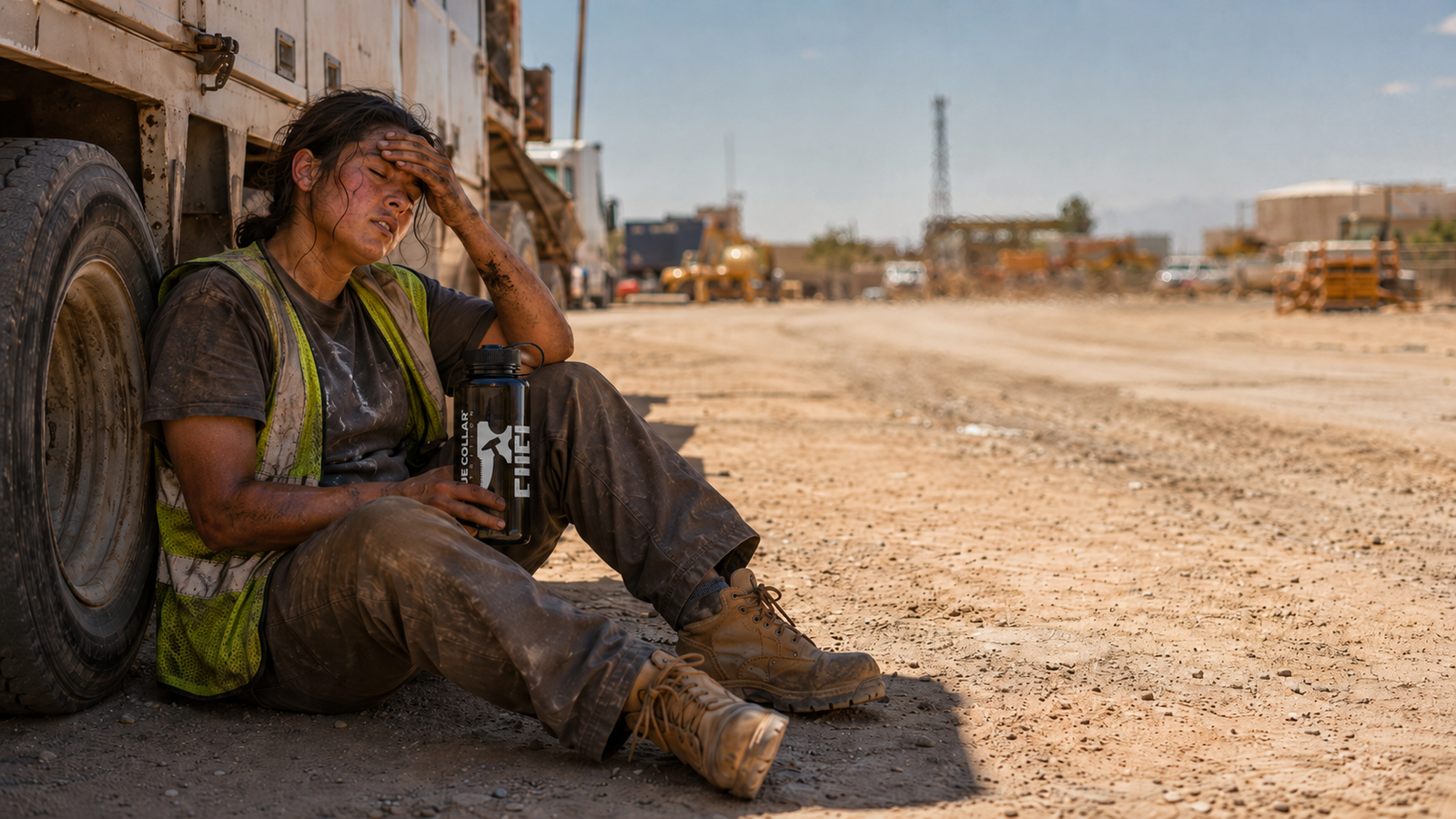

Electrolytes for Heat Exhaustion: Symptoms, Recovery, and How to Prevent It at Work
May 18, 2026 13 min read
Important: This guide is educational, not medical advice. Heat exhaustion can progress to heat stroke, which is a life-threatening medical emergency. If you or a coworker shows signs of confusion, fainting, a body temperature above 103°F, or stops sweating in extreme heat, call 911 immediately. Don't wait it out. Don't try to push through. Heat stroke kills working-age adults every summer in the United States, and the time between "feeling rough" and "in real trouble" can be measured in minutes.
Hard work in the heat is part of the job for a lot of us. Roofing in July. Asphalt crews in August. Oilfield in West Texas. Warehouses with no AC. Long-haul cabs with broken air. The body adjusts to a lot, but heat is the one variable that doesn't care how tough you are. It catches strong people every season.
This guide walks through what heat exhaustion actually is, the symptoms that mean stop working now, how it's different from heat stroke, what to drink and eat, how long it takes to bounce back, and the daily hydration routine that helps keep it from happening in the first place.
What is heat exhaustion?
Heat exhaustion is your body losing the fight against the heat. When you're working in high temperatures, your body sweats to cool itself down. Sweat takes out water and electrolytes — sodium, potassium, magnesium, and calcium. If you're losing more than you're replacing, your core temperature starts to climb and your circulatory system starts to struggle.
According to the CDC and OSHA, heat exhaustion is the body's response to an excessive loss of water and salt, usually through sweating. It's the warning before heat stroke. If you catch it early, stop work, get out of the heat, cool down, and rehydrate, you'll recover within a few hours to a couple of days. If you ignore it and keep working, it can progress to heat stroke — which can be fatal.
The most common settings where heat exhaustion shows up at work:
- Construction and roofing in direct summer sun
- Oilfield, mining, and outdoor industrial work
- Asphalt and paving crews
- Warehouse and manufacturing facilities with poor ventilation
- Welding, foundry, and kitchen environments near heat sources
- Long-haul drivers in cabs with limited AC
- Landscaping, tree work, and outdoor maintenance
If you work in any of these and the heat index is climbing past 90°F, you're in the risk zone.
Heat exhaustion symptoms: what to watch for
The classic symptoms of heat exhaustion, in roughly the order they show up:
- Heavy sweating — usually more than normal even for the conditions
- Cool, moist skin with goosebumps despite the heat
- Fatigue and weakness out of proportion to the work being done
- Dizziness or lightheadedness, especially when standing up
- Headache, often dull and persistent
- Nausea or vomiting
- Muscle cramps, especially in the legs and abdomen
- Fast, weak pulse
- Low blood pressure when standing
- Dark-colored urine or not urinating much
- Confusion or trouble focusing on simple tasks
The fatigue and the cool, clammy skin combination is the classic tell. If a coworker is sweating heavily, looks pale or gray, and seems unsteady on their feet, that's heat exhaustion until proven otherwise.
What's tricky is that some of these symptoms get explained away as "just being tired" or "the afternoon dead zone." A worker who's been pushing through a hot shift for hours often doesn't notice they're in trouble until someone else points it out. This is why crew awareness matters. The person next to you may spot it before you do.
Heat exhaustion vs heat stroke: the difference matters
This is the single most important distinction in this guide. Heat exhaustion and heat stroke are not the same thing, and confusing them can cost a life.
| Sign | Heat Exhaustion | Heat Stroke |
|---|---|---|
| Skin | Cool, moist, often pale | Hot, dry, often flushed red — sweating may stop |
| Body temperature | Elevated but under 103°F | Above 103°F (often well above) |
| Mental state | Tired, slightly confused, but coherent | Confused, slurring words, agitated, unconscious |
| Pulse | Fast, weak | Fast, strong, then irregular |
| Severity | Serious but not immediately life-threatening | Life-threatening medical emergency |
| What to do | Stop work, cool down, rehydrate, rest | Call 911 immediately, cool aggressively, get to ER |
The biggest red flags that mean you're past heat exhaustion and into heat stroke territory:
- Confusion, slurring words, or strange behavior
- Skin that's hot and dry, or no longer sweating in extreme heat
- Body temperature above 103°F
- Loss of consciousness or seizure
- Severe, throbbing headache
If any of those show up, call 911. Don't drive yourself or anyone else to the ER — get emergency services on the way and start aggressive cooling (cold water, ice packs to neck, armpits, groin) while you wait. Heat stroke is a true medical emergency. Survival depends on speed.
Why electrolytes matter for heat exhaustion
The biology of heat exhaustion is mostly about water and electrolytes. Sweat is salty for a reason — your body uses sodium, potassium, magnesium, and calcium to regulate fluid balance, muscle function, blood pressure, and nerve signaling. When you sweat hard for hours, you're not just losing water. You're losing the minerals that keep your circulatory system, muscles, and brain working normally.
Hard workers in heat can lose:
- 1,000 to 2,000mg of sodium per hour
- 200 to 400mg of potassium per hour
- 20 to 50mg of magnesium per hour
- Plus calcium and trace minerals
That's why drinking only plain water in heavy heat can actually make things worse. Plain water replaces fluid volume but dilutes what little electrolyte content you have left in your blood. The result is the sloshy, foggy, cramping state that workers know well — and that's the on-ramp to heat exhaustion.
The CDC's recommendation for workers in heat is to drink water and replace electrolytes through the workday, not after symptoms show up. A standard electrolyte drink, with real doses of sodium and the other major minerals, supports normal fluid balance and helps the body keep up with what's coming out in sweat.
This is why the answer to "what should I drink in the heat" isn't just "more water." It's water plus a real electrolyte source, dosed for the conditions you're working in.
What to drink and eat when you have heat exhaustion
If you're showing signs of heat exhaustion, stop work and get out of the heat first. Then:
Drink:
- Cool (not ice-cold) water in small, frequent sips. Don't chug — it can cause nausea.
- An electrolyte drink with real sodium and potassium. Sports drinks work in a pinch, though many are heavy on sugar.
- A clean electrolyte powder like Hydrate mixed in water, if you have one nearby. The 500mg sodium, 340mg potassium, 40mg magnesium, and 50mg calcium per scoop are dosed for hard-work sweat replacement.
Avoid:
- Alcohol (worsens dehydration)
- Caffeinated energy drinks (further stress the cardiovascular system in heat)
- Very cold ice water in large volumes (can trigger cramping and nausea)
- Sugary sodas (not effective for electrolyte replacement)
Eat:
- Light, easy-to-digest food once nausea passes
- Salty snacks (pretzels, crackers, broth) to support sodium replacement
- Fruit with potassium (bananas, oranges)
- Real food, not gas station candy
If nausea or vomiting prevents you from keeping fluids down, that's a sign you need medical care. Don't try to power through severe symptoms at home.
Heat exhaustion recovery time: how long does it last?
Recovery from heat exhaustion depends on how severe it got, how quickly you stopped, and how well you rehydrate afterward.
Mild heat exhaustion — caught early, stopped work, cooled down, rehydrated:
- Most symptoms resolve within 30 minutes to a few hours
- Light fatigue and headache may last the rest of the day
- Back to normal by the next morning if you sleep and continue hydrating
Moderate heat exhaustion — worked through some symptoms before stopping:
- 24-48 hours to feel close to normal
- Lingering fatigue, mild headaches, and reduced exercise tolerance for 2-3 days
- Higher sensitivity to heat for several days — your body has a harder time handling another hot shift right away
Severe heat exhaustion — required medical attention, IV fluids, or hospital monitoring:
- 1-2 weeks for full recovery
- Heat sensitivity can last weeks to months
- Some workers experience lingering symptoms (headaches, fatigue, reduced heat tolerance) for longer
The day-after symptoms most workers ask about are real: dull headache, lingering fatigue, mild dizziness, lower appetite, and reduced tolerance for heat. These usually fade over 24-72 hours with rest, fluids, electrolytes, and good sleep. If they persist longer than a few days, see a doctor.
How to prevent heat exhaustion at work
The best treatment for heat exhaustion is not getting it in the first place. The prevention routine that works for hard workers in heat:
Before the shift:
- Pre-hydrate with 16-20 oz of water plus an electrolyte drink in the hour before clock-in. Show up topped off, not starting from empty.
- Eat a real breakfast with protein and some salt. Coffee alone doesn't cut it.
- Check the heat index and dress for it. Light, breathable layers beat one heavy shirt.
- If you take medications that affect hydration or heat tolerance (some blood pressure meds, diuretics, antihistamines), talk to your doctor about heat-related precautions.
During the shift:
- Drink water and electrolytes throughout, not all at once. A scoop of Hydrate in a 16-20 oz bottle every 2-3 hours is a standard pace for hot conditions.
- Take breaks in the shade or in AC every hour or so when the heat index is above 90°F. Sit down. Drink.
- Watch your coworkers. Crew awareness is the single most underrated heat safety tool.
- Eat lunch and salty snacks. Don't skip food in the heat — sodium replacement matters.
End of shift and overnight:
- Keep drinking water and electrolytes after clock-out. Your body is still in recovery for hours.
- Cool shower, light meal with protein and carbs, salty snack if you sweated heavily.
- Sleep matters. Most heat recovery happens overnight. Protect 7-9 hours in a cool, dark room.
For the full daily hydration protocol with exact timing, see the Blue Collar Hydration Guide. For the post-shift recovery routine that keeps you ready for the next day, see how to recover faster after work.
Daily electrolyte routine for hard workers in heat
A practical daily routine for workers regularly in hot conditions:
| Time | What | Purpose |
|---|---|---|
| Pre-shift | 16 oz water + 1 scoop Hydrate | Load up before sweat starts |
| Mid-morning | 16-20 oz water | Maintain fluid volume |
| Lunch | 16 oz water + 1 scoop Hydrate | Replace what you've lost so far |
| Mid-afternoon | 16-20 oz water + salty snack | Steady through the back half |
| Post-shift | 16 oz water + 1 scoop Hydrate | Set up for overnight recovery |
Two scoops of Hydrate across a moderate shift is the baseline. Workers in extreme heat or doing high-output physical work usually need a third scoop. Add Refuel mid-shift if you also need energy support without the sugar of a regular energy drink. For the broader recovery lineup, see the full Recovery collection.
Pink Himalayan Salt is the primary sodium source in Hydrate for a reason — clean, unrefined, and trace mineral content that table salt doesn't carry. For more on why the sodium source matters, see pink Himalayan salt and electrolytes.
Frequently Asked Questions
What are the symptoms of heat exhaustion?
The most common symptoms are heavy sweating, cool and clammy skin, fatigue, dizziness or lightheadedness, headache, nausea, muscle cramps, fast and weak pulse, dark urine, and mild confusion. Symptoms usually develop over hours of work in heat. If any of these show up, stop working, get out of the heat, cool down, and rehydrate. Don't push through.
What's the difference between heat exhaustion and heat stroke?
Heat exhaustion is serious but not immediately life-threatening — the skin is cool and moist, body temperature is elevated but under 103°F, and the worker is tired but still mentally coherent. Heat stroke is a medical emergency — the skin is hot and dry (sweating often stops), body temperature is above 103°F, and the worker is confused, slurring words, or unconscious. Heat stroke requires 911 and aggressive cooling. Heat exhaustion can usually be managed with rest, shade, fluids, and electrolytes.
How long does heat exhaustion last?
Mild heat exhaustion caught early typically resolves within a few hours, with lingering fatigue and mild headache for the rest of the day. Moderate cases take 24-48 hours to feel close to normal. Severe heat exhaustion that required medical attention can take 1-2 weeks for full recovery, with extended heat sensitivity afterward.
What is the recovery time for heat exhaustion?
Recovery time depends on severity. Mild: a few hours to a full day. Moderate: 24-48 hours. Severe: 1-2 weeks, with heat sensitivity lingering for weeks to months. During recovery, prioritize rest, fluids, electrolytes, salty food, and sleep. Don't return to heavy heat work until you feel back to normal — coming back too soon increases the risk of a second, worse episode.
Can heat exhaustion last for days?
Yes, especially in moderate to severe cases. Lingering symptoms can include fatigue, dull headaches, mild dizziness, reduced appetite, and lower heat tolerance for 2-7 days. If symptoms persist longer than that, see a doctor — prolonged heat-related symptoms can signal a slower recovery or an unrelated underlying issue.
Why do I get heat exhaustion so easily?
Several factors increase susceptibility: chronic dehydration, certain medications (diuretics, some blood pressure meds, antihistamines, antidepressants), poor heat acclimatization, low sodium intake, age, body composition, and underlying conditions like diabetes or heart disease. Workers who are dehydrated coming into a hot shift are especially at risk. If you consistently get heat-related symptoms, talk to your doctor — there may be something specific to address.
What should I drink for heat exhaustion?
Cool (not ice-cold) water in small sips, plus an electrolyte drink with real doses of sodium and potassium. Avoid alcohol, caffeinated energy drinks, and very sugary drinks. For workers losing significant sweat, a clean electrolyte powder with sodium, potassium, magnesium, and calcium is the best option for sweat replacement.
Are electrolytes good for heat exhaustion?
Electrolytes — particularly sodium, potassium, magnesium, and calcium — are central to heat exhaustion recovery and prevention. Heat exhaustion is driven by water and salt loss through sweat, so replacing the right minerals helps the body return to normal fluid balance. A balanced electrolyte drink supports the recovery process. It's not a substitute for medical care in severe cases — but as part of stopping work, cooling down, and rehydrating, electrolytes are exactly what the body needs.
Is Gatorade good for heat exhaustion?
A regular Gatorade provides some sodium and potassium, but contains a lot of sugar that can slow stomach emptying when you're already nauseated. Gatorade Zero has lower sugar but no magnesium or calcium. For an acute episode, either is better than plain water. For ongoing prevention and recovery, a complete electrolyte powder with all four major electrolytes and natural sweeteners is a cleaner daily-use option. For a full comparison, see the Gatorade Zero ingredient breakdown.
How much water should I drink to prevent heat exhaustion?
For workers in hot conditions, OSHA recommends drinking small amounts of water every 15-20 minutes, totaling about 1 cup (8 oz) every 15-20 minutes when the heat index is high. Across a 10-hour shift in heavy heat, that adds up to roughly 1.5 to 2 gallons of fluid — water plus electrolytes. Don't try to drink it all at once. Steady intake throughout the shift works better than catching up at the end.
What should I eat when I have heat exhaustion?
Once you can keep fluids down without nausea, light easy-to-digest food helps recovery. Salty snacks (pretzels, crackers, broth) support sodium replacement. Potassium-rich foods like bananas, oranges, and potatoes help with electrolyte balance. A normal balanced meal with protein, carbs, and salt within a few hours is the goal. Avoid heavy fried food, alcohol, and large amounts of sugar in the recovery window.
Can I work the next day after heat exhaustion?
Mild cases that resolved within a few hours often allow return to work the next day, ideally in cooler conditions or with extra breaks and hydration. Moderate or severe cases require more rest — pushing back into heavy heat too soon dramatically increases the risk of a second, worse episode. When in doubt, talk to your doctor or your employer's safety contact before returning.
What are the early warning signs of heat exhaustion at work?
Early signs that often get ignored: a dull headache that doesn't go away, mild dizziness when standing up, feeling unusually fatigued for the work being done, dark yellow urine, and reduced sweating despite the heat. Once heavy sweating, nausea, cool clammy skin, or muscle cramps show up, you're past the early stage. Stop work as soon as the early warning signs appear — that's the window where recovery is fastest.
Does heat exhaustion go away on its own?
Mild cases will often resolve on their own with rest, shade, and fluids — but "on its own" still means stopping work and getting out of the heat. The risk of ignoring symptoms and pushing through is that heat exhaustion can progress to heat stroke, which is life-threatening. The right approach is to treat any heat exhaustion symptoms seriously and step away from the heat early.
How do you feel after heat exhaustion?
The day after a heat exhaustion episode, most workers feel hungover even without drinking — dull headache, fatigue, mild dizziness, low energy, reduced appetite, and a body that just feels off. These symptoms typically improve over 24-72 hours with rest, fluids, electrolytes, and sleep. Heat tolerance is reduced for several days after, which is why a same-week return to the same hot conditions can trigger another episode.
Is heat exhaustion a medical emergency?
Heat exhaustion itself is not a medical emergency in most cases, but it can become one quickly if ignored. Heat stroke (the next stage) is a true emergency requiring 911. Signs that mean call 911: confusion, slurred speech, body temperature above 103°F, loss of consciousness, hot dry skin, seizure, or severe vomiting that won't stop. When in doubt about whether you're crossing from exhaustion into stroke territory, err on the side of getting medical help.
When should I go to the ER for heat exhaustion?
Go to the ER or call 911 if: symptoms don't improve within an hour of stopping work, cooling down, and rehydrating; vomiting prevents you from keeping fluids down; body temperature stays above 103°F; you experience confusion, slurred speech, or loss of consciousness; you stop sweating in extreme heat; or you have an underlying heart, kidney, or other chronic condition. For workers with pre-existing conditions, the threshold to get medical care is lower — when in doubt, get checked.
Can dehydration cause heat exhaustion?
Yes — dehydration is one of the biggest contributors to heat exhaustion. Walking into a hot shift already underhydrated means your body has less fluid to use for sweating, less margin for error, and a faster path to symptoms. This is why pre-shift hydration matters and why workers who depend on coffee or energy drinks for fluid intake are at higher risk.
Are BCN supplements safe for daily use in hot work conditions?
Yes. All Blue Collar Nutrition products, including Hydrate, are hormone-free, contain no banned substances or amphetamines, and are third-party tested in an FDA-registered facility in the USA. Hydrate is designed for daily use across long, hot, physical shifts. It's drug-test safe for any industry that runs drug panels — trades, construction, oilfield, military, transportation. As with any new supplement, talk to your doctor if you have heart, kidney, blood pressure, or other chronic conditions.